Image Source: https://cdn.arstechnica.net/wp-content/uploads/2025/09/GettyImages-2236223734-1024×648.jpg
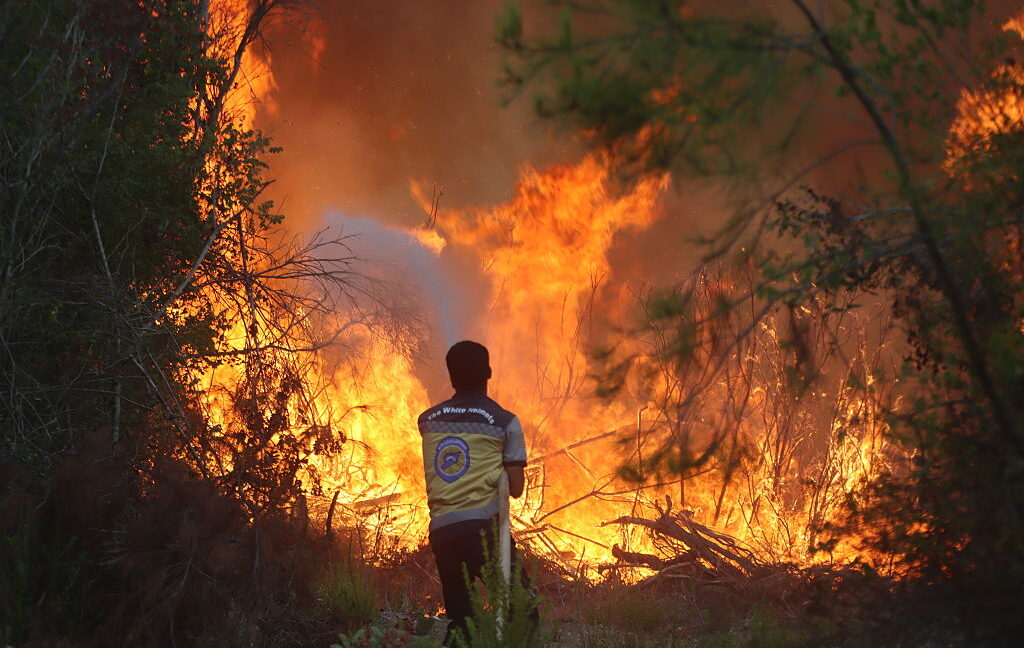
The ongoing struggle known as the current war on science has taken center stage as new challenges emerge in tackling misinformation and ignorance in various fields, including climate science and public health. As global summers become increasingly plagued by extreme weather—flash floods, ravaging heatwaves, and wildfires—two prominent scientists have decided to team up to raise awareness about these pressing concerns.
Understanding the Current War on Science
The war on science is marked by a political landscape that actively undermines scientific credibility and discourse, particularly from groups with vested interests. Michael E. Mann, a renowned climate scientist, and Peter J. Hotez, a vaccine developer, collaborated to author “Science Under Siege.” Their book serves as a rallying cry against the misinformation that threatens public understanding of crucial scientific issues.
Mann, who is credited with creating the infamous hockey stick graph demonstrating the rapid increase in global temperatures over the past century, and Hotez, who developed a cost-effective COVID-19 vaccine, share a common mission. Both have experienced considerable backlash for their efforts to communicate their respective fields’ significance and urgency.
The Intersection of Climate Change and Health
Mann and Hotez contend that climate change is not just an environmental issue; it is intricately linked to public health. As climates shift, so do the habitats and migratory patterns of disease-carrying species, increasing the risk of infectious diseases spilling over to human populations. This connectivity poses a formidable challenge in an era where effective communication has become mired in political and social conflict.
Key Forces Behind the Antiscience Movement
Mann and Hotez identify five powerful forces sustaining the current war on science:
- Plutocrats and their political action committees
- Petrostates along with their politicians and polluters
- Fake professionals—specifically physicians and professors who propagate falsehoods
- Propagandists, particularly those utilizing platforms like podcasts
- Segments of the press that spread misinformation
This coalition perpetuates a cycle of misinformation through tactics that prioritize profit and ideological conformity over factual accuracy. For instance, wealthy individuals and corporations manipulate health narratives to evade environmental regulations, undermining both public health and planetary wellbeing.
Historical Context of Antiscience Sentiments
Historically, antiscience sentiments have been weaponized by authoritarian regimes to suppress dissent and manipulate public behavior. Mann and Hotez compare contemporary tactics to those employed during significant historical events, illustrating how the discrediting of science often precedes broader attacks on civil liberties.
Mobilizing for Change
In response to these insights, the authors strive to energize the public and mobilize collective action. A crucial aspect of their strategy emphasizes the need for effective political change. They argue that the future of humanity hinges on democratically electing leaders who prioritize scientific integrity and public welfare over the interests of select groups.
Hotez and Mann close their narrative with a firm call to action: voters must engage actively in elections to advocate for policies that bolster scientific research and combat misinformation. The need for active civic participation has never been more crucial as the stakes grow higher.
Conclusion
The current war on science underscores the dangerous intersection of misinformation, political power, and public health. Scientists Mann and Hotez, through their collaboration, aim not merely to elucidate the threat posed by antiscience forces but also to inspire hope and engagement for a scientifically literate public. As they assert, only through collective effort can society hope to address the extraordinary challenges of climate change and health crises.
FAQ
What is the current war on science?
The current war on science refers to organized efforts to undermine scientific credibility and progress, often for political or financial gain.
Who are the authors of “Science Under Siege”?
The authors are Michael E. Mann, a climate scientist, and Peter J. Hotez, a vaccine developer.
How are climate change and public health connected?
Climate change affects the habitats of disease-carrying species, increasing the risk of zoonotic diseases spilling over into human populations.
What can individuals do to combat misinformation?
Individuals can engage in informed voting, support scientifically backed policies, and encourage dialogue based on factual information.
Why is political change important in the context of science?
Political change is vital for encouraging the implementation of sound scientific policies that protect public health and the environment.
