Image Source: https://cdn.arstechnica.net/wp-content/uploads/2025/09/2509-lg-easytv-1-1152×648-1758917132.jpg
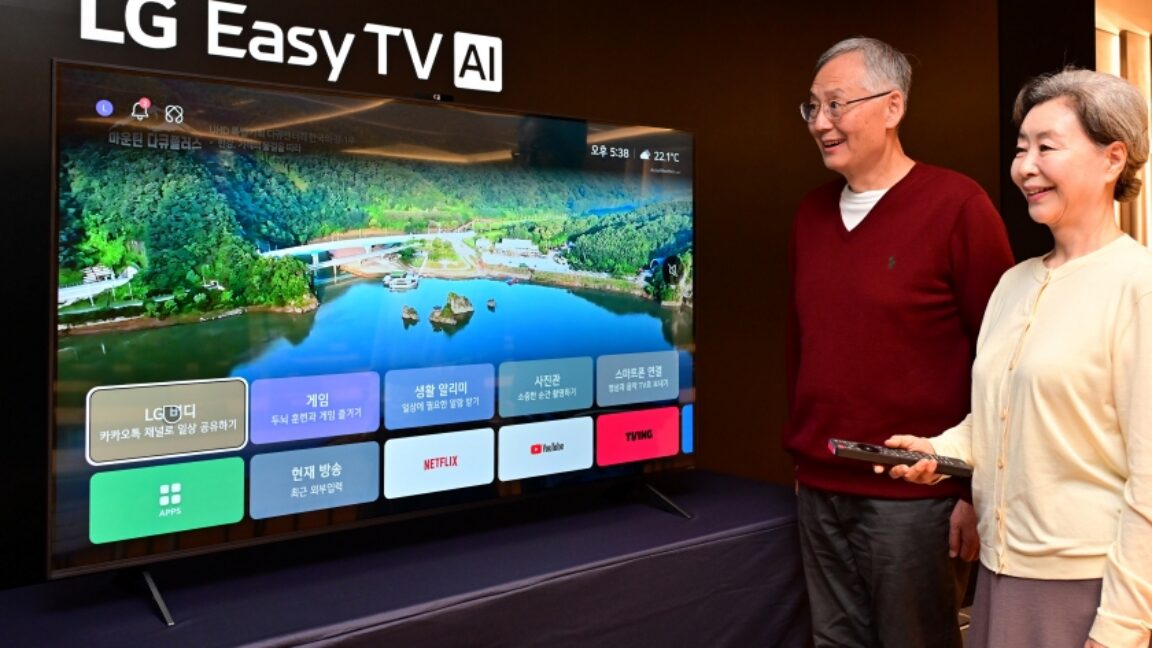
LG has recently unveiled its Easy TV, a premium television specifically designed for seniors, priced at approximately $1,800. While this innovative product aims to cater to a growing market of older consumers, it appears to operate under some misguided assumptions about their needs and preferences. The Easy TV, which was launched in South Korea, highlights a few key features but raises questions about whether it genuinely addresses the unique requirements of older adults.
What Makes the LG Easy TV Unique?
The LG Easy TV comes equipped with a remote control featuring large buttons and numbered keys, a notable upgrade compared to many smart TV remotes that lack these basic functions. This feature seems to be a deliberate attempt to simplify navigation for older viewers, who may be intimidated by complex remotes.
In addition to the enhanced remote, LG has modified its operating system, webOS, specifically for the Easy TV. The updated system aims to prioritize five senior-focused features, like medication reminders and integrated video calling capabilities, making it easier for seniors to connect with family. LG has also emphasized improved dialogue clarity in audio and increased picture brightness and color saturation to enhance the viewing experience.
The Pricey Appeal: Is It Worth It?
The Easy TV’s price point is notably higher than standard models, with the 65-inch variant costing approximately 2,769,000 won (about $1,964) in South Korea, while similar models in the U.S. retail for around $900. This price increase raises questions about affordability for seniors, particularly those on fixed incomes. The features included may not justify the steep price tag when simpler options exist.
Misguided Assumptions About Seniors
While LG is striving to cater to a growing demographic, the company’s approach seems to rely on generalizations about senior customers’ technology capabilities. Data indicates that over 70 percent of senior-related inquiries to LG service centers revolve around difficulties in operating TVs, yet this demographic encompasses both less tech-savvy individuals as well as those who are quite proficient with modern gadgets.
LG’s initiative to highlight senior-friendly features, while commendable, could be more effective if it were rooted in broader user-friendly attributes. Features such as simpler interfaces and privacy-oriented options hold significant value for a wider user base, not just seniors. The irony lies in the inclusion of a dedicated AI button on the remote, which seems unnecessary for users primarily seeking simpler ground-level functionality.
Alternative Options for Senior Viewers
Other products in the market, like JubileeTV, offer alternatives that allow seniors to choose their own televisions rather than dictating a single model. Moreover, JubileeTV simplifies technology access through a mobile app, providing family members with more control over troubleshooting and set-up tasks, which may prove more effective than the features offered with LG’s Easy TV.
Another perspective suggests that what seniors may truly need is not a “smart” TV but rather a classic model, often referred to as a ‘dumb TV.’ Such televisions simplify the user experience, eliminating concerns about software updates or privacy, and potentially being more affordable. This route may better serve older adults who are reluctant to engage with advanced technology.
Accessibility Features and the Future of Senior TVs
LG’s Easy TV raises further questions about the accessibility features it offers. While medication reminders and video calling may be helpful, many seniors would likely benefit more from a focus on affordability and straightforward interfaces over complex smart functionalities. In this competitive market, companies that pivot toward basic, user-friendly designs may find greater success with older audiences.
The growing population of individuals aged 65 and older in South Korea signifies a potential market opportunity, yet LG’s execution with the Easy TV may not hit the mark as intended. Tapping into the needs of seniors and offering genuinely beneficial products could foster a deeper connection between brands and older consumers.
Final Thoughts
In conclusion, LG’s $1,800 TV for seniors, while innovative in some aspects, appears to make assumptions that may not align with the diverse needs of older adults. As technology continues to evolve, the emphasis must shift toward providing simple, affordable, and effective solutions for all age groups, especially for seniors who desire familiarity and ease of use in their devices.
Frequently Asked Questions
What is the LG Easy TV and who is it for?
The LG Easy TV is a television designed specifically for seniors, featuring a simplified remote and tailored operating system to enhance usability.
Why is the LG Easy TV more expensive than regular TVs?
The LG Easy TV’s higher price reflects its specialized features and adjustments made for senior users, including accessibility options and an enhanced remote control.
Are there more affordable alternatives to the LG Easy TV?
Yes, alternatives like JubileeTV exist, which allow seniors to select their own TVs while offering dedicated support for easier operation.
What do senior users prefer in a TV?
Many seniors prefer straightforward interfaces and basic functionality over smart features, valuing affordability and ease of use.
How does LG’s Easy TV address senior needs?
The Easy TV includes senior-focused features like medication reminders and video calling options, though its overall appeal could be more effectively tailored.
