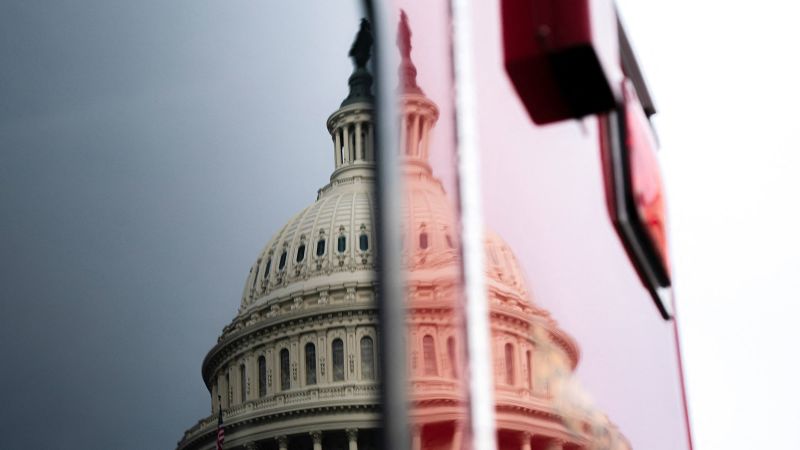
Image Source: https://media.cnn.com/api/v1/images/stellar/prod/2025-09-24t154801z-1084685122-rc2fygaan7y7-rtrmadp-3-usa-congress-shutdown.jpg?c=16×9&q=w_800,c_fill
On September 30, 2025, the US federal government officially shut down after a deadlocked Congress failed to pass crucial funding measures. This marks the first time in six years that the government has faced a complete shutdown.
The Shutdown Explained: What Went Wrong?
The government shutdown occurred after both chambers of Congress couldn’t agree on funding plans. Republicans proposed a temporary funding bill aimed at continuing operations for seven weeks without including key Democratic demands, particularly concerning enhanced Affordable Care Act subsidies. Democrats, on the other hand, rejected this proposal, insisting that any spending bill include necessary health care extensions.
This impasse led to immediate finger-pointing between the two parties, with each side blaming the other for the breakdown in negotiations. As midnight approached, the atmosphere in Capitol Hill turned tense, with uncertainty about the future of countless federal workers and essential services.
Immediate Impacts of the Shutdown
As the federal government shuts its doors, various critical functions are likely to face interruptions. Essential services, including military operations and emergency services, will continue, but many federal employees will be placed on furlough.
The following impacts are anticipated:
- Thousands of federal employees will be furloughed without pay, affecting their livelihoods.
- Services deemed “non-essential,” including many public assistance programs, will halt.
- Federal courts may face delays in operations and legal proceedings.
- Government-sponsored programs, particularly those affecting health care, could see immediate cuts.
The Blame Game: What Leaders Are Saying
Political leaders from both parties have placed the blame prominently on their rivals. Democrats are alleging that Republicans, particularly former President Donald Trump and his supporters, refused to negotiate in good faith. Former Vice President Kamala Harris publicly stated that “Republicans are in charge of the White House, House, and Senate. This is their shutdown.”
Conversely, leading Republicans, like Speaker Mike Johnson, counterargue that Democrats have thwarted efforts to keep the government operational due to their demands on unrelated issues. Johnson stated, “Democrats have officially voted to CLOSE the government,” pointing to the lack of bipartisan cooperation.
What Comes Next?
The immediate future appears complicated, with the Senate scheduled to reconvene shortly to readdress the funding proposals. Senate Majority Leader John Thune has indicated that there will be ongoing attempts to force votes on the same GOP plans until enough Democrats compromise to pass funding measures.
Many legislators and analysts predict that the standoff could drag on, prolonging uncertainty not only for federal employees but also for countless citizens relying on government services. As negotiations proceed, the potential for this “shutdown” to evolve into a prolonged crisis looms large, particularly as critical subsidies set to expire could result in escalated public backlash.
Public Response and Legal Implications
Reacting to the situation, labor unions and advocacy groups have already begun vocalizing their grievances, emphasizing that the shutdown disproportionately impacts the most vulnerable populations. Additionally, the impact on local economies and businesses that rely on government contracts could exacerbate the situation further.
Legally, the shutdown could lead to challenges if government functions are halted that affect essential services, leading to public appeals for resolution. The shutdown has raised serious questions on whether Congress will act swiftly enough to mitigate the fallout.
Conclusion
The September 30, 2025 government shutdown illustrates the ongoing political divides that complicate effective governance in the United States. Both sides have significant challenges ahead, not only to reopen the government but also to restore public trust and effectively address critical issues like healthcare. As negotiations unfold, it remains to be seen how long the government will remain closed and what lasting impacts this would have on American citizens.
FAQs
1. What led to the government shutdown on September 30, 2025?
The shutdown resulted from Congress’s failure to pass funding measures, as disagreements over healthcare subsidy extensions prevented agreement on a budget.
2. Which federal services will be affected by the shutdown?
Many non-essential services will be interrupted, including certain federal programs and some court proceedings. Critical services, however, like military and emergency services, will continue.
3. How long is the government expected to remain shut down?
It’s unclear how long the shutdown will last; Congress will reconvene to discuss potential funding plans, but disagreements may prolong the situation.
4. Who is to blame for the government shutdown?
Both Republicans and Democrats are placing blame on one another, citing failures in negotiation and unwillingness to compromise.
5. What are the potential long-term effects of this shutdown?
The shutdown may lead to prolonged economic impact on businesses, significant disruptions in federal services, and increased public dissatisfaction with Congress.
