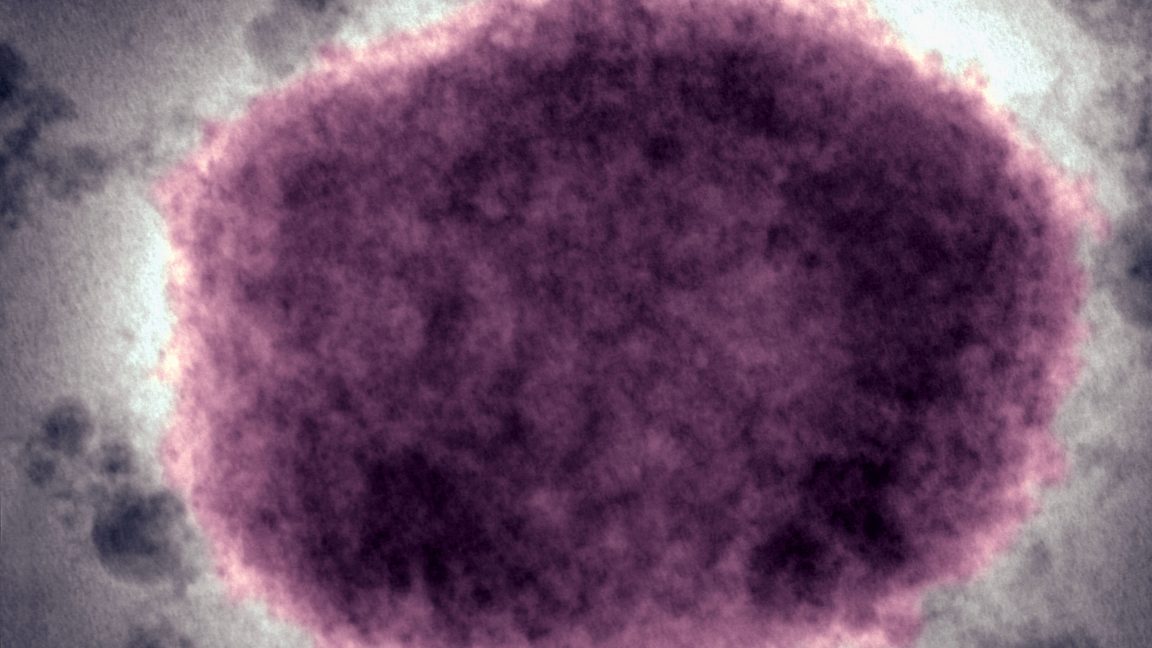
Image Source: https://cdn.arstechnica.net/wp-content/uploads/2022/05/GettyImages-151054421-e1653346027144-1152×648.jpeg
The recent decision by the US Centers for Disease Control and Prevention (CDC) to revert to an outdated and controversial disease name, “monkeypox,” has reignited discussions surrounding public health nomenclature and racial sensitivity. In 2022, the global health community made strides toward inclusivity and accuracy by axing this name due to its racist undertones, but now the USA has returned to the term without explanation.
Why the Name Change Was Necessary
The name “monkeypox” emerged from the identification of the virus in captive Asian monkeys in the late 1950s. Initially assumed to be the primary host, this belief has been debunked over time. Current research indicates that the virus most likely infects a variety of animals, particularly African rodents. Yet, the name stuck, bringing with it negative connotations that many public health officials deemed unacceptable.
In 2022, the World Health Organization (WHO) declared “mpox” as the preferred term to mitigate stigma and promote a more appropriate understanding of the disease. The term “monkey” has a long history as a derogatory term towards Black individuals, contributing to the decision to change the disease name. Furthermore, the increase of mpox cases had also been linked to specific social networks, which raised concerns about discriminatory attitudes reminiscent of the stigma faced during the HIV/AIDS epidemic.
Controversial Return to “Monkeypox”
Despite the efforts initiated in 2022, the CDC under the Trump administration has now shifted back to using “monkeypox.” This abrupt change has caught the attention of health advocates and journalists alike. The WHO had initially implemented the name change after receiving complaints about the term’s racial and stigmatizing connotations; thus, reverting to the old name undermines these progressive moves.
The CDC’s statement regarding the name change has been minimal, merely stating that “Monkeypox is the name of the viral disease caused by the monkeypox virus.” This response has been criticized for its lack of context, especially considering the vast implications that the terminology carries for public perception and stigma.
Implications of Returning to an Inaccurate Name
Returning to the “monkeypox” name not only emphasizes the risk of perpetuating harmful stereotypes but also influences public health messaging and understanding. The outbreak of mpox prompted the WHO to declare a public health emergency due to its rapid global spread across various demographics rather than solely focusing on specific communities.
Now, health officials fear that reverting to the outdated terminology could result in increased discrimination against marginalized communities already facing stigmatization. It also risks sending a message that public health policy is subject to political agendas rather than rooted in scientific evidence and ethical considerations.
The Path Forward: A Call for Consistency and Sensitivity
Moving forward, health organizations, including the CDC, are urged to adopt a language that reflects both scientific accuracy and social responsibility. This shift should strive towards creating awareness that respects the communities affected by disease outbreaks and fosters a collective understanding.
Public health officials emphasize that clarity in naming diseases is crucial to prevent stigma and promote health literacy globally. As dialogue continues regarding the implications of the name, the focus should remain on the health of the community rather than outdated terms that may misrepresent the underlying science.
Frequently Asked Questions
What led to the renaming of monkeypox to mpox?
The renaming was initiated in response to concerns that “monkeypox” carried racist and stigmatizing implications, prompting the World Health Organization to adopt “mpox” in 2022.
Why has the CDC reverted to using the name monkeypox?
The CDC has not provided a detailed explanation but has confirmed the return to the term “monkeypox” despite the previous renaming efforts.
What are the implications of the name change for public health?
The use of “monkeypox” may exacerbate stigma and discrimination against certain communities, undermining efforts to educate and address public health issues effectively.
What should public health organizations do moving forward?
Organizations are encouraged to adopt language that is both scientifically accurate and socially responsible to enhance public understanding while minimizing stigma.
How does stigma impact disease outbreaks?
Stigmatized diseases can result in individuals avoiding testing or treatment, ultimately exacerbating public health crises and preventing communities from addressing health challenges effectively.
