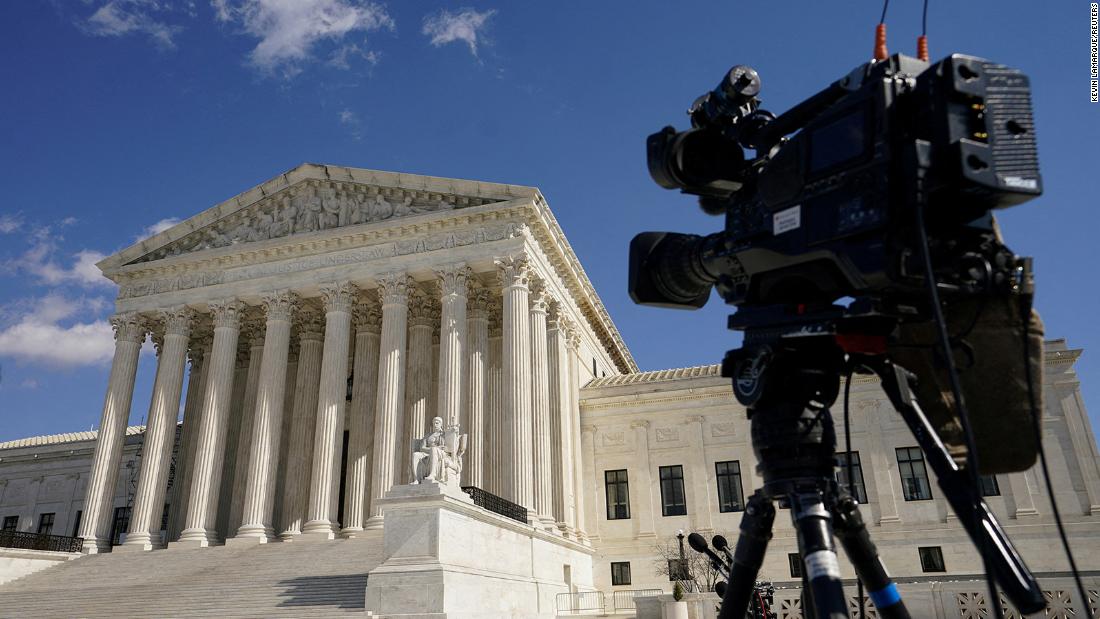
Image Source: CNN US
A group of anti-abortion doctors has taken a significant step by urging the United States Supreme Court to maintain strict restrictions on mifepristone, a medication pivotal in the abortion process. This request coincides with the ongoing legal turmoil surrounding the approval and regulations of this drug, which has drawn considerable attention from various sectors of society.
On Tuesday, the doctors submitted a filing that seeks to compel the Supreme Court to uphold a federal judge’s ruling that declared mifepristone, which has been on the market since 2000, should have never been approved. This request comes at a critical time, as the court faces a deadline to act following the Justice Department’s anticipated response.
Legal Context and Implications
The controversy surrounding mifepristone escalated after a federal judge in Texas indicated that the drug should not have obtained approval over two decades ago. The implications of this ruling are profound for reproductive rights in the United States, as mifepristone is a key component of medication abortions. It is currently used by a majority of women seeking abortions in the nation, making any legal decisions regarding its accessibility particularly impactful.
Justice Samuel Alito has temporarily paused the implementation of lower court decisions, granting additional time for the justices to scrutinize the evolving debate surrounding the legality of mifepristone. This move aims to allow for a comprehensive review, emphasizing the importance of the issue at hand.
Arguments from the Anti-Abortion Doctors
In their submission, the anti-abortion doctors argue that both the government and the drug’s manufacturer have not adequately adhered to safety regulations over the years. They claim that there have been numerous instances of overlooking crucial safety data regarding mifepristone. Their lawyer, Erik C. Baptist, asserts that these supposed oversights demonstrate a lack of concern for women’s health and the unborn, emphasizing the perceived irresponsibility of regulatory entities.
- The doctors cite that the Food and Drug Administration (FDA) has consistently failed to safeguard women’s health in its management of mifepristone.
- They contend that successive decisions to relax restrictions on the drug have placed politics above genuine health considerations.
- Furthermore, they suggest that the government has employed misleading comparisons of mifepristone to non-controversial medications, such as ibuprofen, failing to recognize the unique concerns related to abortion drugs.
As the legal proceedings unfold, the Supreme Court is expected to make a definitive ruling by this Wednesday night, a decision that could reshape the landscape of abortion accessibility in the US.
The Broader Impact on Abortion Access
The outcome of this legal battle will have profound effects on how medication abortions are regulated in the United States. Should the Supreme Court reject the Biden administration’s appeal and uphold the restrictions on mifepristone, many women may find themselves with fewer options for accessing abortion services. This could particularly influence those in remote areas where surgical abortion services are limited, thereby highlighting the ongoing struggle for reproductive rights in the country.
Advocates for abortion rights argue that maintaining access to mifepristone is essential for ensuring that women can make choices about their reproductive health without undue barriers. They contend that medications used in abortion should be regulated based on scientific evidence and safety data, rather than political motivations.
Conclusion
As the nation anticipates the Supreme Court’s decision, the call by anti-abortion doctors underscores the intense legal and ethical debates surrounding reproductive rights. The fate of mifepristone remains uncertain, but the implications of the ruling will undoubtedly echo through the corridors of reproductive health for years to come.
FAQ Section
What is mifepristone used for?
Mifepristone is primarily used for medical abortions and has been widely in use since its FDA approval in 2000.
Why is there a legal battle over mifepristone?
The legal battle arises from concerns over safety, regulatory compliance, and the drug’s approval history, with opposing factions arguing over its necessity and potential risks.
What could happen if the Supreme Court upholds the restrictions?
If upheld, access to mifepristone could be severely limited, affecting many women’s options for obtaining safe and legal abortions.
Who are the key players in this legal dispute?
Key players include the anti-abortion doctors, the Biden administration, the FDA, and the drug manufacturers involved with mifepristone.
What are the broader implications for reproductive rights?
This ruling may set a precedent for future restrictions on reproductive health medications and could impact women’s rights across the nation.
