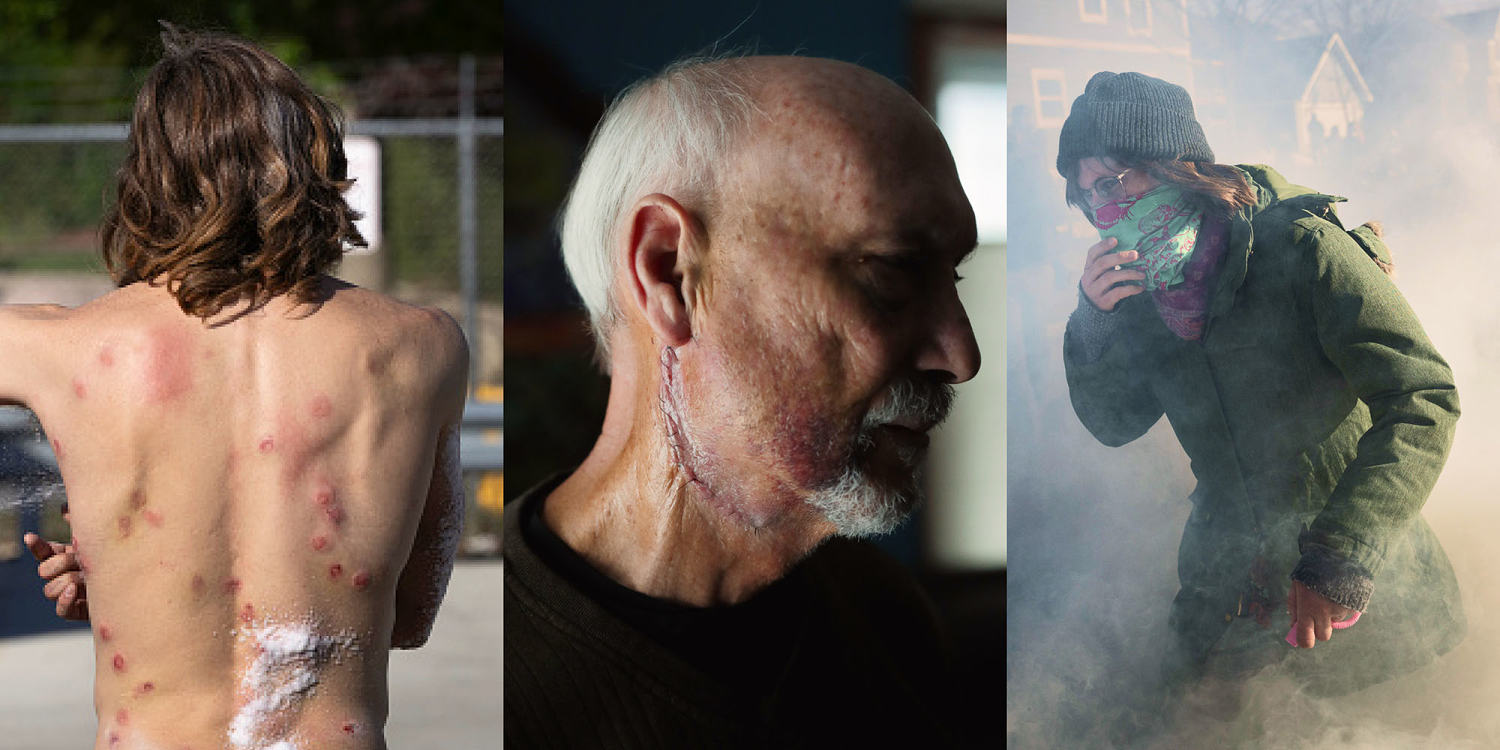
Image Source: NBC News US
As the U.S. grapples with intense debates over immigration policies, a disturbing trend has emerged from the Department of Homeland Security (DHS). The utilization of less lethal weapons against protesters who oppose immigration enforcement has sparked outrage and serious concerns regarding their safety and civil rights. This troubling narrative unfolds across various cities where federal officers, equipped with military-grade gear, have reportedly inflicted significant injuries on demonstrators.
The Cycle of Escalation: Protests and Violence
The issue of less lethal weapons has become increasingly prevalent since the implementation of aggressive immigration crackdowns initiated during the Trump administration. Federal officers have resorted to using rubber bullets, pepper spray, and tear gas against crowds that include peaceful protesters and vulnerable individuals. With incidents of officers misusing these weapons rising dramatically, the violence has taken a grave toll on those expressing dissent.
Witness accounts describe horrifying scenes where authorities deployed flash-bang grenades in crowded areas, resulting in devastating injuries such as fractured bones and eye damage. One protester, Leon Virden, recounted being severely injured when a flash-bang grenade exploded near him, leading to surgical reconstruction of his jaw. As he reflected on the brutal encounter, Virden remarked, “I thought I knew what to expect. And this was beyond anything that should have happened.”
The Role of DHS in Escalating Violence
In recent months, the DHS has faced criticism for what many argue is a systematic misuse of less lethal weapons. Reports indicate that officers frequently violate their own use of force policies, escalating confrontations with protesters instead of employing de-escalation techniques. For instance, while officers are trained to give verbal warnings before using force, many protesters have reported being attacked without any forewarning.
As a result, hundreds of individuals have sustained injuries from projectiles deliberately aimed at individuals who were not posing any apparent threat. Court findings in several states revealed patterns of excessive force, with judges condemning the indiscriminate use of such weapons against peaceful activists.
Public Reaction and Legal Proceedings
The public response to DHS’s actions has been formidable. Accusations of civil rights violations have resulted in numerous lawsuits against the agency, with protesters striving to hold federal officers accountable for the harm inflicted. In one notable case, a federal judge issued a ruling criticizing the DHS for unprovoked use of less lethal weapons, calling into question their operational behavior and oversight.
Furthermore, community leaders, including local politicians, have voiced their dissent against the tactics employed by federal officers, viewing them as overly aggressive and counterproductive to community safety. The actions deemed “disproportionate” have spurred greater demands for a comprehensive review and reform of DHS operational guidelines.
Moving Towards Accountability
In light of these developments, the call for wide-ranging reform in how federal agencies manage protests and immigration enforcement operations has intensified. Advocates for change emphasize the need for clearer policies that restrict the use of less lethal weapons strictly to situations where immediate threats to life are present. They argue that the current patterns of enforcement can amplify tensions and ultimately endanger both officers and community members.
As the situation evolves, the precarious balance between maintaining order and preserving citizens’ rights continues to be tested. With the significant backlash against the administration’s immigration policies, addressing these critical issues surrounding less lethal weapons will be essential. The outcome could decide not only the future of immigration crackdowns but also the fundamental nature of civil rights in the United States.
Conclusion: A Crossroads for Civil Rights
As the DHS navigates this turbulent landscape, the pressing question remains: how will the government handle the accountability and rights of those protesting against its operations? Each protest and every injury serves as a reminder of the need for transparency and responsibility in law enforcement practices—as many await a resolution that respects both public safety and fundamental freedoms.
FAQs
What are less lethal weapons?
Less lethal weapons are designed to incapacitate a subject without causing lethal injuries. These can include rubber bullets, pepper spray, and tear gas.
Why are less lethal weapons being used in protests?
DHS officers claim they use these weapons to maintain order and protect themselves during confrontations with protesters, often facing significant opposition during immigration raids.
Has there been any legal action against DHS?
Yes, several lawsuits have been filed against DHS for excessive use of force during protests, with courts finding evidence of violations of civil rights.
What changes are activists calling for?
Activists advocate for reform to limit the use of less lethal weapons and ensure federal officers follow strict de-escalation protocols during protests.
How has public perception shifted regarding DHS actions?
Public perception is increasingly critical of DHS tactics, with many citizens expressing concern over the escalating violence and violation of civil rights in response to protests against immigration policies.
