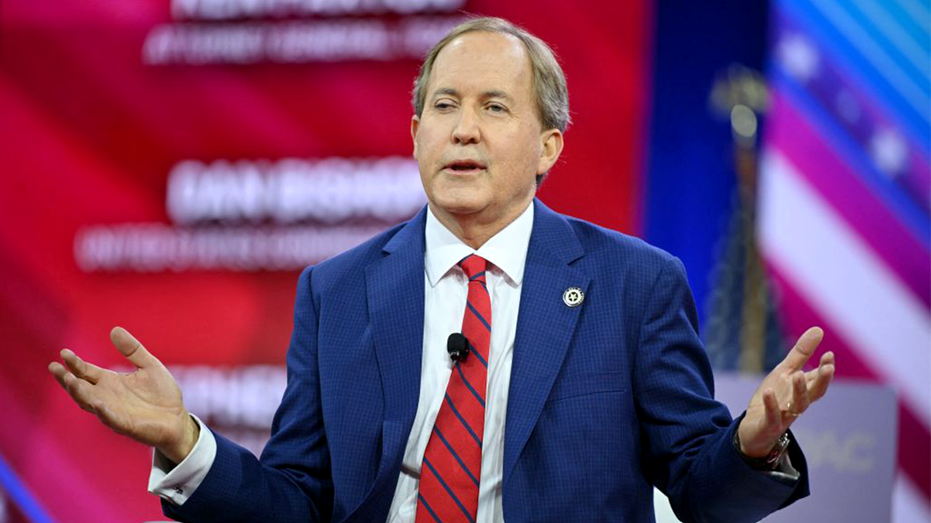
Image Source: Fox News US
Texas Attorney General Ken Paxton has announced that he has filed a lawsuit against city officials in Dallas, accusing them of failing to adequately fund the police department as mandated by a public safety measure known as Proposition U. This lawsuit represents a significant legal action amidst growing concerns about public safety and law enforcement funding in the city.
Understanding Proposition U and Its Implications
Proposition U was approved by Dallas voters in 2024, intending to ensure that 50% of all new annual revenue generated by the city is allocated towards police and fire pensions. Additionally, the proposition stipulates a minimum requirement of 4,000 police officers to be maintained within the city, which is approximately 900 more than the number of officers reported in 2024.
Paxton’s lawsuit claims that the city has unlawfully refused to comply with these regulations. In a press release, he emphasized the importance of accountability, stating, “When voters demand more funding for law enforcement, local officials must immediately comply.” He stressed that fulfilling the promise of Proposition U is essential for supporting the men and women in law enforcement who protect the public.
City Officials and Their Responsibilities
The lawsuit specifically names Dallas City Manager Kimberly Bizor Tolbert and Chief Financial Officer Jack Ireland Jr. as defendants. Paxton argues that these officials have underreported the city’s total excess revenue for the 2025-2026 fiscal year, which he estimates should amount to approximately $220 million. However, the city reported only around $61 million in excess revenue, falling significantly short of the mandated allocation for police funding.
Moreover, the lawsuit highlights that Dallas has not hired an independent third party to conduct the annual police compensation survey, as required by Proposition U. This element is critical to ensuring police officers receive adequate pay and benefits, which in turn is expected to help retain a robust police force.
Dallas Leaders’ Response and Commitment to Public Safety
Despite the legal challenges, Dallas city leaders have made moves to comply with the provisions outlined in Proposition U. In December, the Dallas City Council approved a substantial $11 billion pension funding plan aimed at reinforcing support for the police department’s financial obligations.
The ongoing legal battle represents a broader conflict between state officials and local governance, particularly concerning how public safety should be funded and prioritized. As crime rates fluctuate and community expectations evolve, different interests may clash regarding the allocation of city resources.
The Legal Landscape Ahead
As the lawsuit progresses, it will likely illuminate not only the specifics of Dallas’ fiscal management but also the relationship dynamics between city officials and the state government. Observers are keen to see how this legal challenge may influence policy decisions related to public safety funding across Texas.
Paxton’s legal action against Dallas stands as a pivotal moment in a much-needed dialogue about law enforcement funding, accountability, and community safety in Texas. By insisting on adherence to voter-approved measures, Paxton is positioning the lawsuit as a vital component of his advocacy for police resources amid rising concerns over public safety.
Conclusion: A Focus on Public Safety
With the implications of the lawsuit still unfolding, the commitment to law enforcement funding in Dallas will remain under scrutiny. Many Dallas residents and Texas citizens will be watching closely to see how the city responds and the ultimate outcome of Paxton’s legal challenge. Ensuring that police departments can operate effectively is crucial for the overall welfare of communities in Texas.
Frequently Asked Questions
What is Proposition U?
Proposition U is a public safety measure approved by Dallas voters in 2024, requiring a specific allocation of city revenue toward funding police and fire pensions and ensuring a certain number of police officers on duty.
Who is leading the lawsuit against Dallas?
The lawsuit is being spearheaded by Texas Attorney General Ken Paxton, who accuses city officials of failing to comply with Proposition U.
What are the consequences of the lawsuit?
The lawsuit could lead to changes in how the Dallas police department is funded and may reshape the city’s public safety policies.
Why is law enforcement funding important?
Proper funding for law enforcement is crucial to ensure adequate personnel, training, and resources, which directly impacts community safety and the effectiveness of police operations.
What steps are Dallas officials taking to comply with Proposition U?
Dallas officials are actively working on funding plans, including a substantial 30-year pension funding initiative aimed at supporting the police department’s financial needs.
