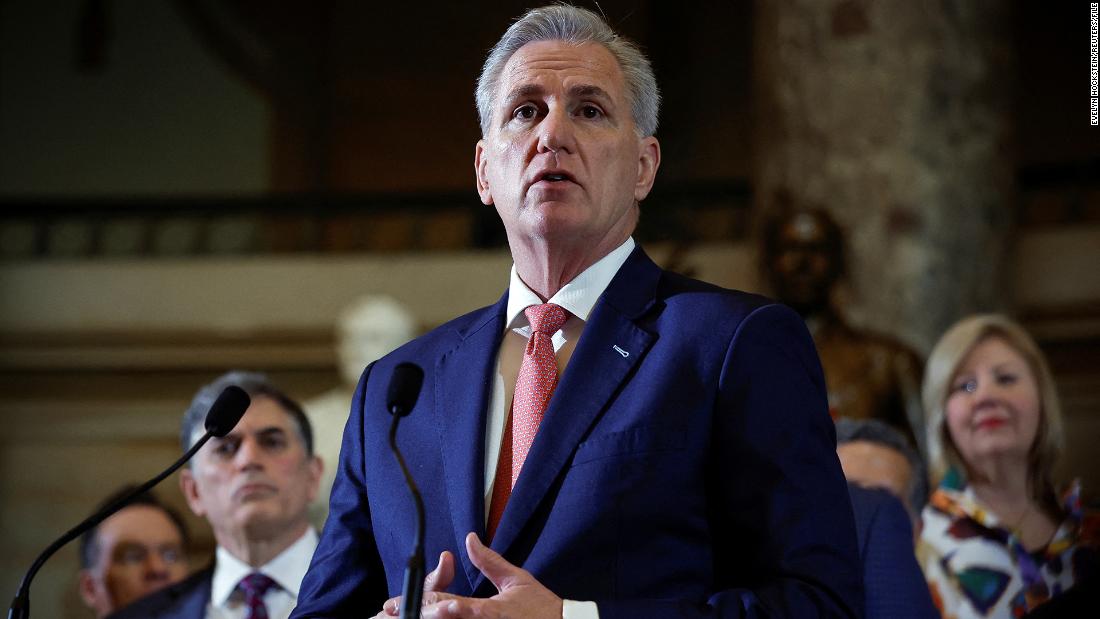
Image Source: CNN US
House Speaker Kevin McCarthy recently made a significant appeal to Republicans during a closed-door meeting, urging them to unite behind his plan for raising the debt ceiling. This critical move comes as the nation faces urgent financial negotiations with President Joe Biden. McCarthy emphasized that his proposal doesn’t have to fulfill every request from the party members but is crucial for bringing conservative issues to the negotiating table with the White House.
An atmosphere of cautious optimism filled the room as McCarthy expressed his confidence that House Republicans could quickly rally behind a unified plan. However, skepticism still lingers among some party members regarding the details and feasibility of the proposal, which has not yet been fully finalized. The dynamics of the Republican conference showcase a divide, with some members feeling frustrated by the current state of the plan.
Key Provisions and Challenges in McCarthy’s Debt Ceiling Plan
According to sources within the closed meeting, McCarthy intends to leverage the debt ceiling debate as a way to assert pressure on the Biden administration for future negotiations. His plan includes attempts to claw back unspent Covid-19 relief funds, implement spending caps over ten years, and prohibit any further actions related to Biden’s student loan forgiveness initiatives. Additionally, a GOP energy initiative is in the proposal mix.
However, not all Republicans are on board with this approach. House Rules Chairman Tom Cole indicated that the debt limit bill would soon be presented in the House, yet members remain doubtful of whether all necessary aspects can be settled in time for an upcoming vote. The urgency of the situation cannot be understated, as the party grapples with differing views on how to proceed with the proposed debt ceiling increase.
Republican Divisions and Demands for Clarity
As discussions progressed, it became evident that the proposal needs significant fine-tuning. Several key Republicans, including hardliners like Rep. Scott Perry, voiced their concerns regarding the plan’s specificity. Perry articulated, “I don’t know what’s in the package completely,” highlighting a lack of clarity around the details presented to them. This points to the ongoing challenge for GOP leadership to create a cohesive strategy that satisfies both moderate and more radical members.
Representative Kevin Hern, leading the Republican Study Committee, stressed the necessity for the party to present a unified stance. “If we can’t lead then we have a problem,” Hern stated, reflecting the essence of Republican leadership’s objective amidst internal conflict. Some party members have shown eagerness to proceed with voting as early as next week, advocating for a collaborative effort.
Future Negotiations and GOP Stance on Spending Cuts
The central debate extends to how the debt ceiling should be raised—whether by a specific dollar figure or a set date—demonstrating the complexities involved. GOP Rep. Don Bacon noted that opinions vary on the extent of any proposed increase, suggesting discussions may influence decisions on the timeline for any potential voting.
Meanwhile, members of the House Freedom Caucus, including Perry, Chip Roy, and Andrew Clyde, are adamant about pushing for more cuts in spending. The sentiments expressed reveal a palpable tension between the need for fiscal responsibility and the willingness to compromise. These discussions illustrate the ongoing struggle within the GOP to balance diverse interests while effectively addressing pressing financial matters.
Preparing for the Vote: Will Republicans Unite?
As the discussions heat up, questions remain about whether House Republicans can solidify a coherent strategy before the anticipated vote. There is a growing recognition that if the party can’t present a united front now, their bargaining position in any upcoming negotiations with Democrats will be significantly weakened. As the clock ticks and deadlines loom, the urgency for decisive action becomes ever more critical.
FAQs on McCarthy’s Debt Ceiling Plan
What is McCarthy’s debt ceiling plan?
McCarthy’s plan aims to raise the debt ceiling while implementing spending cuts and specific policy provisions to strengthen Republican negotiations with the Biden administration.
Why are some Republicans unhappy with the plan?
Many members expressed frustration over a lack of clarity and specificity in the proposal, with some demanding additional cuts and measures to be included.
When is the expected vote on the debt ceiling plan?
Discussions suggest a potential vote could occur next week, but some members are skeptical about meeting that timeline due to unresolved details.
How does the debt ceiling relate to government spending?
The debt ceiling is a cap set on the amount of money that the government can borrow. Republicans are insisting that any increase be accompanied by spending cuts to manage national debt.
What are the potential impacts of the plan?
The implications of McCarthy’s plan could significantly affect government spending, federal programs, and negotiations on broader budgetary policies between the parties.
