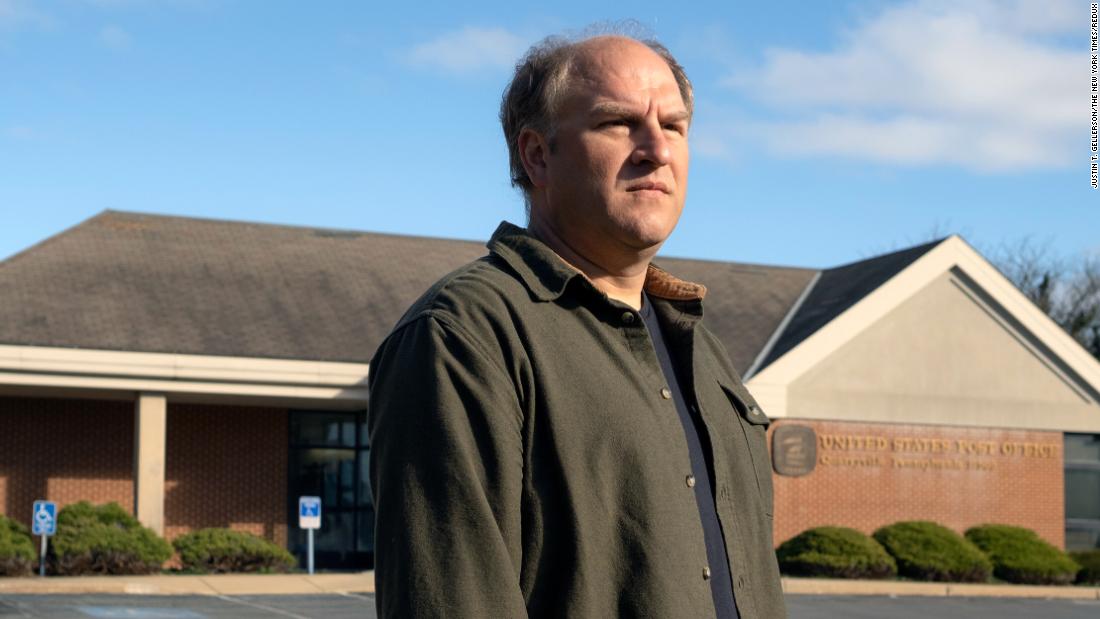
Image Source: CNN US
The Supreme Court seems sympathetic to postal worker who didn’t work Sundays in dispute over religious accommodations, as discussions unfolded during oral arguments regarding Gerald Groff, a former US Postal Service employee. Groff requested not to work on Sundays due to his evangelical Christian beliefs, sparking a legal debate about how far employers must go to accommodate religious practices.
In 2013, Groff’s life changed dramatically when the USPS began delivering packages for Amazon on Sundays. With his religious convictions prohibiting Sunday work, Groff requested modifications to his schedule. However, the USPS argued that accommodating his request would burden the agency and disrupt workplace morale as other employees would have to cover his shifts.
The Legal Backstory of Groff’s Case
Initially, a lower court ruled that granting Groff’s request would place an “undue burden” on the USPS, leading to a culture of resentment among other workers. This ruling was upheld by the 3rd US Circuit Court of Appeals, which affirmed that exempting Groff from Sunday work imposed costs on his coworkers and affected overall workplace morale.
During the oral arguments, justices displayed varying degrees of support for both sides. Justice Elena Kagan’s comments led to a rare moment of agreement among the justices, suggesting that the lower court may have been too quick to dismiss Groff’s claims. However, Justices Amy Coney Barrett and Brett Kavanaugh expressed concerns over the implications of such accommodations on colleague morale, a significant point considering USPS’s longstanding financial challenges.
Critics and Supporters Weigh In
Opponents of Groff’s stance emphasize the potential impact on staff morale in a workforce that primarily needs to ensure smooth operations. For instance, some Justices viewed the USPS’s position as a necessary call to balance workplace stability with individual rights. On the contrary, Groff’s legal team argued that the USPS underestimated the importance of respecting religious beliefs, calling on the court to reassess how religious accommodations are legally interpreted.
Critics argue that Groff’s case may set a precedent that could force employers to prioritize personal beliefs over operational necessities, which could lead to significant changes in workplace policies. Proponents, however, see this as a vital step towards ensuring religious freedoms in employment, directly invoking Title VII of the Civil Rights Act, which prohibits discrimination based on religion.
The Potential Impact of the Court’s Decision
This case could redefine employer obligations regarding religious accommodations. Should the Supreme Court rule in favor of Groff, it might clarify that employers must explore reasonable accommodations for employees’ religious beliefs unless they can demonstrate substantial hardships.
Groff voiced his frustrations in a recent interview, emphasizing the emotional weight of having to choose between his job and his faith. He stated that Sundays represent a spiritual commitment for him and for many believers who gather to worship, highlighting the human aspects of the legal debate.
Looking Ahead
The Biden administration has taken an interesting stance, suggesting clarifications on accommodations for religious observance without placing undue burdens on employers. As the Supreme Court deliberates, all eyes will be on the definitions it provides and how they may affect workplace environments across the country.
Ultimately, this case raises essential questions about how society balances respect for individual rights against the operational requirements of businesses. As the judicial system evaluates Groff’s claims, the outcome will have lasting implications for religious accommodations in the workplace.
FAQ
What was Gerald Groff’s request to the USPS?
Gerald Groff requested not to work on Sundays due to his evangelical Christian beliefs after the USPS started delivering for Amazon on that day.
What did the lower courts decide regarding Groff’s case?
The lower courts ruled that accommodating Groff would impose an undue burden on the USPS, disrupting workplace morale and operations.
Why is this Supreme Court case significant?
This case could redefine employer obligations concerning religious accommodations and the balance between operational needs and individual rights.
What are the potential implications of a ruling in favor of Groff?
A favorable ruling could encourage stricter requirements for employers to accommodate religious practices unless they can prove substantial hardship.
How might the Biden administration influence the case?
The Biden administration has suggested clarifying the legal requirements related to religious accommodations to ensure they don’t unduly burden employers.
